

Perimenopause, the transitional phase leading to menopause, brings about numerous changes in a woman’s body, from hormonal fluctuations to potential shifts in overall health. While many are familiar with common symptoms like hot flashes and mood swings, lesser-known changes can occur, including shifts in oral health. Understanding the connection between perimenopause and oral care is crucial for women navigating this stage of life.
The Link Between Perimenopause and Oral Health
As women enter perimenopause, hormonal changes, particularly a decrease in estrogen levels, can have a significant impact on oral health. Estrogen plays a vital role in maintaining bone density, including the jawbone, which supports teeth. A decline in estrogen can lead to bone loss in the jaw, potentially resulting in tooth mobility, gum recession, and even tooth loss.
Furthermore, decreased estrogen levels can affect the mucous membranes in the mouth, leading to dry mouth, a condition known as xerostomia. Reduced saliva production not only makes the mouth feel dry but also increases the risk of tooth decay and gum disease, as saliva helps neutralize acids and wash away food particles and bacteria.
Common Oral Health Challenges During Perimenopause
- Gum Disease: Hormonal fluctuations can make gums more susceptible to inflammation and infection, increasing the risk of gum disease (gingivitis and periodontitis). Symptoms may include swollen, tender, or bleeding gums.
- Tooth Sensitivity: Changes in hormone levels may contribute to increased tooth sensitivity, making hot, cold, or sweet foods and beverages uncomfortable to consume.
- Dry Mouth: Xerostomia can lead to discomfort, difficulty swallowing, and an increased risk of cavities and oral infections due to inadequate saliva flow.
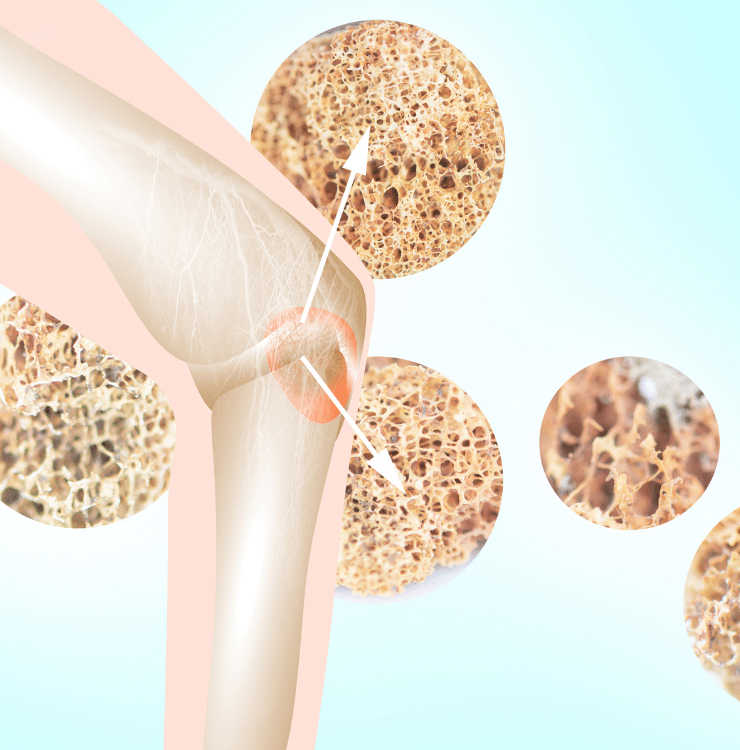
- Osteoporosis: Perimenopausal women may experience a decline in bone density, including the jawbone, which can weaken the foundation for teeth and increase the risk of tooth loss.
Tips for Maintaining Oral Health During Perimenopause
- Regular Dental Checkups: Schedule routine dental visits for professional cleanings and thorough examinations to detect any oral health issues early.
- Practice Good Oral Hygiene: Brush teeth at least twice a day with fluoride toothpaste and floss daily to remove plaque and prevent gum disease and tooth decay.
- Stay Hydrated: Drink plenty of water to combat dry mouth and promote saliva production. Limit consumption of caffeine and alcohol, which can contribute to dehydration.
- Use Saliva Substitutes: Over-the-counter saliva substitutes or mouthwashes designed for dry mouth can help alleviate discomfort and protect against oral health problems.
- Eat a Balanced Diet: Maintain a diet rich in calcium and vitamin D to support bone health. Consume crunchy fruits and vegetables, which can help stimulate saliva flow and clean teeth naturally.

- Manage Stress: Practice stress-reduction techniques such as meditation, yoga, or deep breathing exercises to minimize the impact of stress on oral health.
- Consider Hormone Replacement Therapy (HRT): For women experiencing severe symptoms of perimenopause, including significant oral health issues, HRT may be a viable option to alleviate symptoms and support overall well-being. However, it’s essential to discuss the potential risks and benefits with a healthcare provider.
Perimenopause is a natural phase of life that brings about various changes, including shifts in oral health. By understanding the connection between hormonal fluctuations and oral care, women can take proactive steps to maintain a healthy mouth and minimize the impact of perimenopause on their dental well-being. With proper oral hygiene practices, regular dental checkups, and lifestyle adjustments, women can navigate perimenopause with confidence and continue to enjoy a bright and healthy smile.