

Migraines and jaw pain might seem like two completely separate issues—but for many people, they’re connected in ways you might not expect. Your bite and the health of your teeth can play a significant role in the headaches and jaw discomfort you experience. Understanding this connection can help you take control of both your oral and overall health.

What Is TMJ and Why It Matters
The temporomandibular joint (TMJ) is the hinge connecting your jawbone to your skull. It allows you to chew, talk, and yawn—but if something goes wrong in this joint, it can cause discomfort that radiates beyond your jaw. TMJ disorders (TMD) can lead to:
- Jaw pain or stiffness Clicking, popping, or locking of the jaw
- Headaches or migraines
- Earaches or ringing in the ears
- Facial discomfort
How Your Bite Impacts Your Headaches
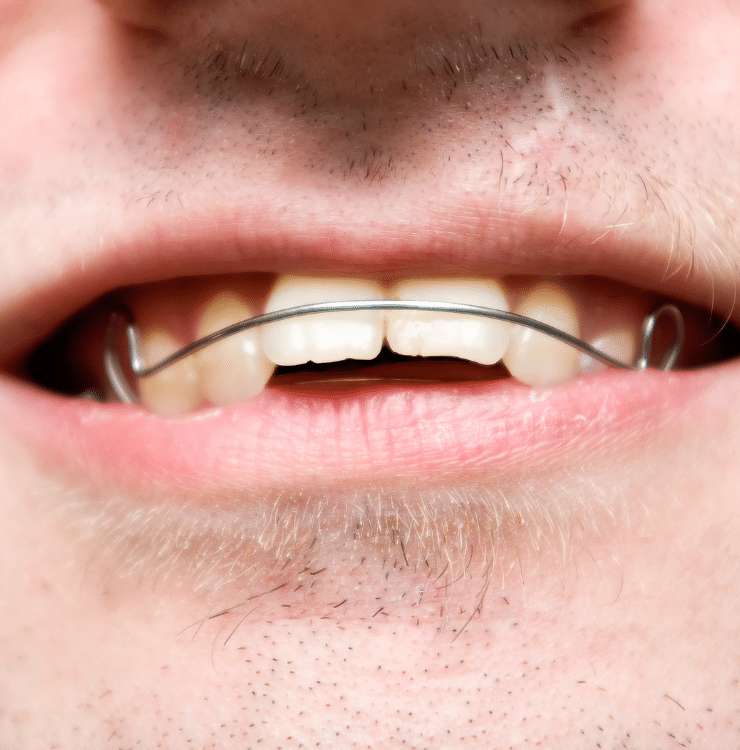
Your “bite” refers to the alignment of your teeth when your jaws come together. Misalignment, also called malocclusion, can strain the muscles of your jaw, face, and even neck. Over time, this tension can trigger chronic headaches or migraines.
Grinding or Clenching (Bruxism):
Often happening during sleep, teeth grinding puts enormous pressure on your jaw muscles, leading to soreness and headaches.
Overbite, Underbite, or Crossbite:
Any deviation from proper alignment can stress your jaw joints and muscles.
Stress and Tension:
Emotional stress often worsens clenching and grinding, creating a cycle of discomfort.
How Dentists Can Help
Dentists play a key role in identifying and treating jaw-related pain that contributes to migraines. Some solutions include:
- Custom Mouthguards or Nightguards: These help prevent teeth grinding during sleep, reducing muscle strain.
- Bite Adjustment or Orthodontics: Correcting misalignment can relieve pressure on the jaw and improve long-term comfort.
- TMJ Therapy: Exercises, physiotherapy, and other treatments may help relax and strengthen jaw muscles.
- Collaboration with Healthcare Providers: Dentists often work alongside physicians, neurologists, or physiotherapists to manage migraine symptoms holistically.
What You Can Do at Home
While professional treatment is essential, there are steps you can take to ease jaw pain and reduce migraines:
- Apply a warm compress to relax jaw muscles
- Practice gentle jaw stretches recommended by your dentist
- Avoid chewing gum or biting on hard objects
- Manage stress through relaxation techniques, meditation, or exercise
- Track headache patterns to help your dentist identify triggers
The Takeaway
Migraines, jaw pain, and bite issues are often more connected than people realise. By paying attention to your oral health and seeking professional guidance, you can reduce tension, protect your teeth, and even minimise headache frequency. Your smile isn’t just about aesthetics—it’s a gateway to your overall comfort and wellbeing.