

Many people think of oral health and heart health as separate concerns. However, research increasingly shows that the health of your mouth is closely linked to the health of your heart. Understanding this connection is fascinating and highlights the importance of maintaining a healthy smile for your overall well-being.
The Oral-Systemic Connection
Your mouth is a gateway to your body, and what happens there can affect your overall health. The bacteria that cause gum disease (periodontal disease) don’t just stay in your mouth—they can enter your bloodstream and travel to other parts of your body. This can trigger inflammation and potentially contribute to a range of systemic health issues, including heart disease.
Gum Disease and Heart Disease

Gum disease is a chronic infection of the tissues that support your teeth. It starts with gingivitis, a mild form of gum inflammation, and can progress to periodontitis if left untreated. Studies suggest a significant link between gum disease and heart disease due to the following factors:
Inflammation
Inflammation is a key player in both gum disease and heart disease. The bacteria from gum infections can cause inflammation in the blood vessels, leading to plaque buildup and narrowing of the arteries (atherosclerosis), a major risk factor for heart attacks and strokes.
Bacteria in the Bloodstream
When your gums are infected, bacteria can enter your bloodstream through tiny cuts or openings in the gum tissue. This can lead to conditions such as endocarditis, an infection of the heart’s inner lining, or contribute to the buildup of fatty deposits in your blood vessels.
Shared Risk Factors
Risk factors for gum disease, such as smoking, poor diet, and diabetes, are also risk factors for heart disease. This shared connection underscores the importance of addressing lifestyle choices that impact both oral and heart health. Recognizing the Signs of Gum Disease Being aware of the signs of gum disease can help you take action before it affects your overall health. Common symptoms include:
- Swollen, red, or tender gums
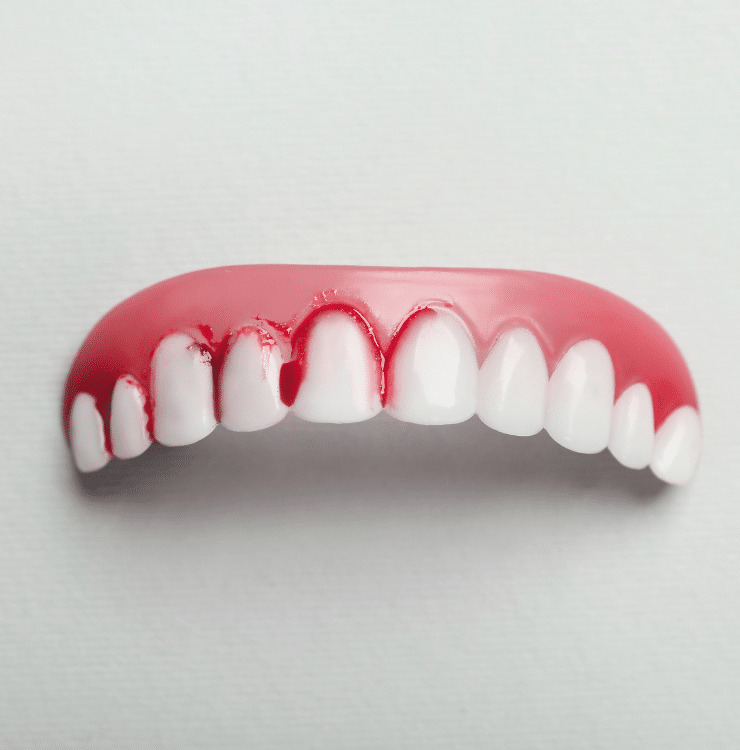
- Bleeding gums when brushing or flossing
- Persistent bad breath
- Receding gums or loose teeth
If you notice any of these signs, it’s important to see your dentist promptly for an evaluation.
Protecting Your Oral and Heart Health
Taking care of your oral health is an investment in your overall well-being. Here are steps to protect both your mouth and your heart:
- Brush and Floss Regularly
- Brush your teeth twice a day with fluoride toothpaste and floss daily to remove plaque and prevent gum disease. Visit the Dentist Regularly
- Routine dental checkups and cleanings can help catch gum disease early and keep your mouth healthy.
- Eat a Heart-Healthy Diet A balanced diet rich in fruits, vegetables, whole grains, and lean proteins supports both oral and cardiovascular health.
- Quit Smoking Smoking increases your risk of both gum disease and heart disease. Quitting is one of the best things you can do for your overall health.
- Manage Chronic Conditions. Conditions like diabetes can affect both your oral and heart health. Work with your healthcare providers to manage these conditions effectively.

The connection between oral health and heart disease underscores the importance of taking a holistic approach to your health. By prioritizing your oral care routine and making heart-healthy lifestyle choices, you can reduce your risk of both gum disease and cardiovascular issues.
If you have concerns about your oral health or its impact on your heart, don’t hesitate to talk to your dentist—they’re here to support your health in more ways than one.