

Brushing your teeth is an essential part of good oral hygiene, but if you’re skipping flossing, you’re leaving nearly half of your tooth surfaces uncleaned. While flossing may seem like an extra step, it plays a crucial role in preventing gum disease, cavities, and even long-term health issues.
Let’s dive into the science behind flossing and why it’s a habit worth keeping.
The Hidden Dangers of Skipping Flossing:
Your toothbrush can only reach so much. The tight spaces between your teeth and below the gumline are prime spots for plaque and bacteria to build up. When left alone, this buildup can lead to:
 Cavities Between Teeth – Plaque contains bacteria that produce acid, which weakens enamel and leads to decay.
Gum Disease (Gingivitis & Periodontitis) – Bacteria trapped beneath the gumline cause inflammation and infection, which can progress into severe gum disease.
Bad Breath (Halitosis) – Food particles and bacteria between teeth create unpleasant odors.
Increased Risk of Systemic Diseases – Studies show links between gum disease and conditions like heart disease, diabetes, and even Alzheimer’s.
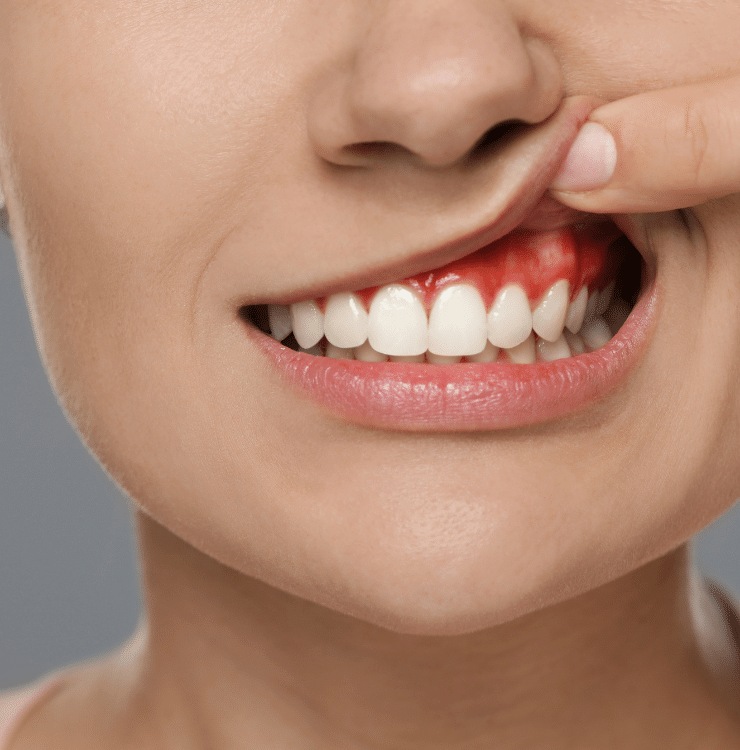
How Flossing Helps Keep Gums Healthy
Flossing isn’t just about removing food—it’s about breaking up the bacterial colonies that form plaque. Here’s what happens when you make flossing a daily habit:
 Prevents Plaque Buildup – Flossing removes plaque before it hardens into tartar, which can only be removed by a dental professional.
Reduces Inflammation – Regular flossing helps reduce gum redness, swelling, and bleeding.
Protects Against Gum Recession – When gums become inflamed, they start to pull away from the teeth, leading to sensitivity and potential tooth loss.
Boosts Overall Health – By reducing bacteria in your mouth. Flossing helps lower inflammation in the body, benefiting your heart, lungs, and even brain health.
Flossing vs. Other Cleaning Methods:
What Works Best? There are several ways to clean between your teeth. Which one is right for you?
Traditional Floss – The gold standard for removing plaque between teeth and under the gumline.
Floss Picks – Convenient but less effective than string floss at reaching deep below the gums.
Water Flossers (Waterpik®) – Uses a stream of water to remove debris; great for those with braces or gum sensitivity.
Interdental Brushes – Small brushes designed for cleaning between teeth, especially useful for those with gaps or dental work.
The best option? The one you’ll use consistently!
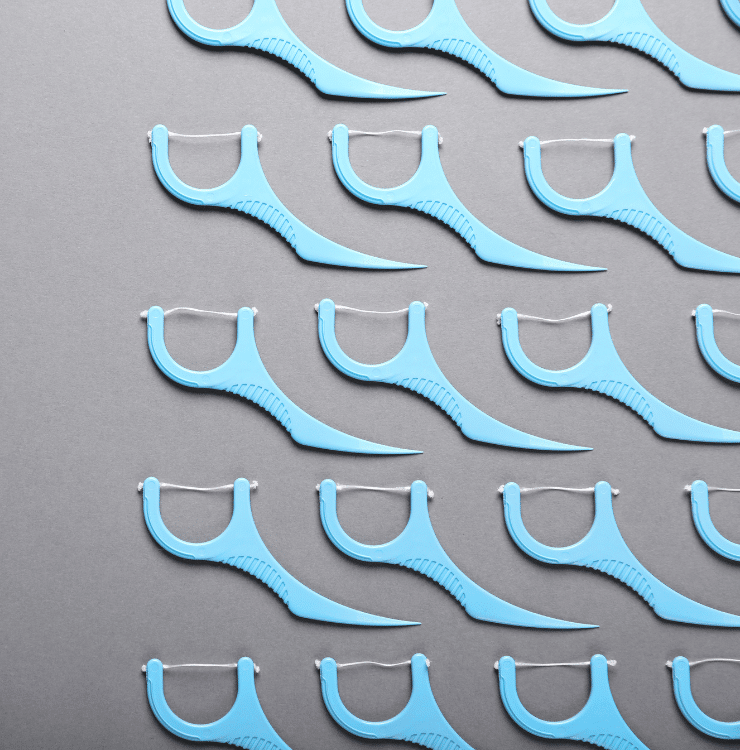
How to Floss Like a Pro
If you’re flossing but still experiencing bleeding gums, you might not be doing it effectively. Follow these steps for the best results:
 Use About 18 Inches of Floss – Wrap most around your middle fingers, leaving a few inches to work with.
 Gently Slide the Floss Between Your Teeth – Avoid snapping it down, which can damage gums.
 Curve the Floss into a ‘C’ Shape – Hug the floss around each tooth and glide it up and down under the gumline.
 Use a Fresh Section for Each Tooth – This prevents spreading bacteria.
 Floss Daily – It only takes a couple of minutes but it makes a huge difference!
The Bottom Line:
Flossing is Non-Negotiable Flossing isn’t just a suggestion—it’s a crucial part of your oral hygiene routine. A few minutes a day can prevent cavities, gum disease, and even more serious health complications. So, next time you’re tempted to skip flossing, remember: your gums (and your future self) will thank you!